|
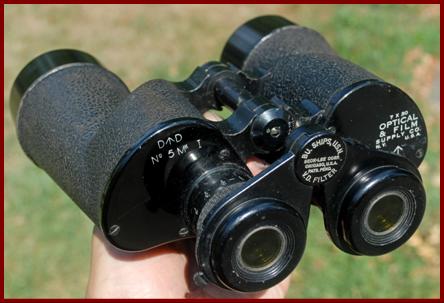
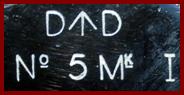
Optical & Film Supply Co US Navy military binoculars with left graticule/ range grid. 7x50 transferred to Australian army in 1941 and Australian D ↑D marked and marked No.5 Mk 1 |

|
Japanese External Reverse Porro Prism Binoculars. WEBSITE MUSEUM |
|
OTHER BINOCULARS #16 & OPTICAL SIGHTS/ MOSTLY MILITARY |


|
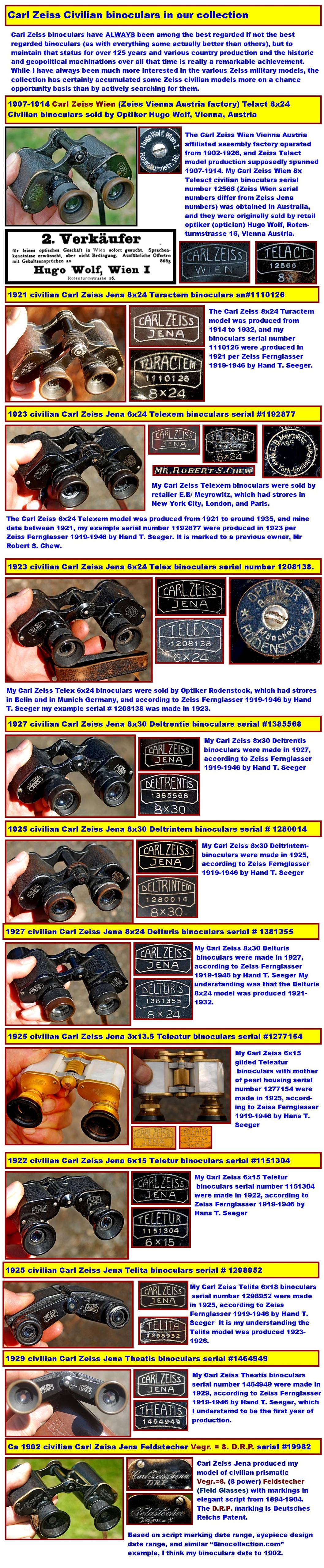
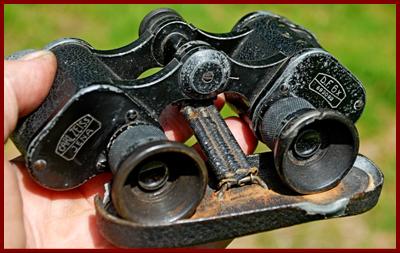
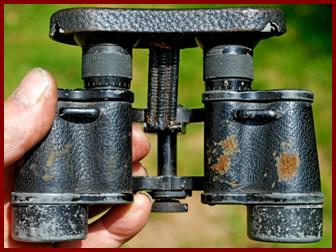
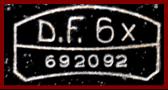
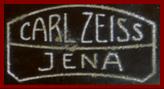
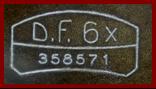
My two Carl Zeiss D.F. 6x binoculars serial #35871 and #692092 , that both have attached ocular covers, were military models. Since there do not appear to be any approval markings, which country’s military used them is not clear. The higher numbered binoculars probably date around 1915/ 1916. “ D.F. is “ D oppel F ernrohrglas”, or Double Telescope |
|
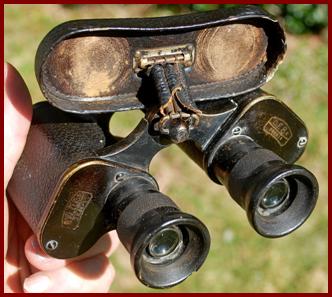
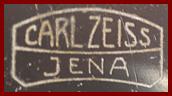
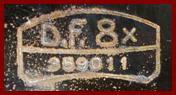
TWO Carl Zeiss Jena D.F. 8x Military Binoculars serial no. 217000 and 359011 |
|
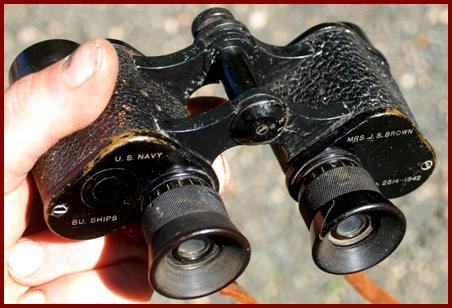
Bosch & Lomb Civilian binoculars inscribed as a presentation in 1917, donated to the US Navy War effort and accepted into service in 1942, subsequently returned to owner, and now explored here. |
|
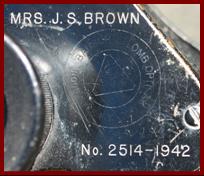
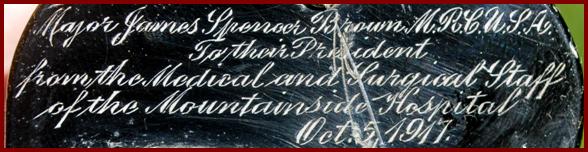
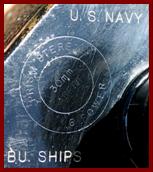
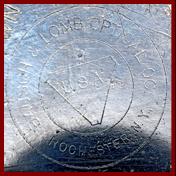
I really like binoculars which give a glimpse into an unusual interesting past history. Unfortunately I seldom acquire any directly from people that can tell me about that, so have to research marked clues. My “ 6 power 30mm prism stereo ” binoculars were made by Bosch & Lomb of Rochester NY and are marked “ Major James Spencer Brown M.R.C. U.S.A. To their President from the Medical and Surgical Staff of the Mountainside Hospital Oct.5 1917. ” James Spencer Brown (1863-1934) is documented as having been commissioned a major in WWI serving as Chief of Surgical services for the 82nd Div., before joining the Mountainside Hospital in Montclair New Jersey, and was apparently also part of the M.R.C. (Medical Reserve Corps). In response to the WWII public campaign to loan binoculars to the U.S. Navy these binoculars were given to the Navy by “Mrs. J.S. Brown ” (either James Spencer Brown’s wife (Lenore Cowan) or his son’s wife (son had same name plus Jr.) in 1942, and were processerd by the US Navy Bureau of Ships, who handled procurement; were assigned property #2514; and were marked with the donor/ lender name as was the practice. After the war, these binoculars were returned to Mrs. Brown. |
|
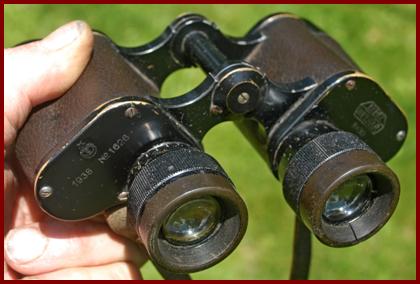
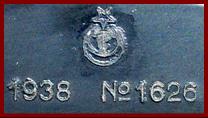
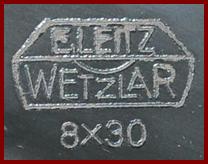
1938 E. Leitz Wetzlar 8x30 Turkish Army binoculars serial No. 1626 |
|
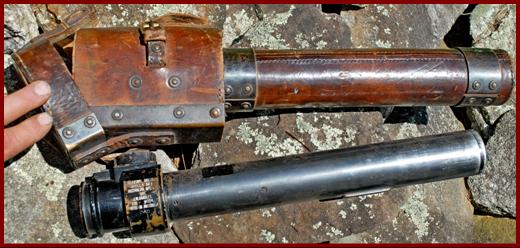
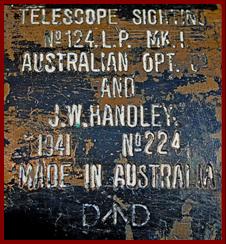
1941 Australian Opt. Co. and J.W. Handley No. 124 LP Mk I telescope sighting for the Australian 2 pounder artillery gun |

|
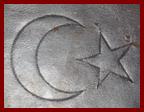
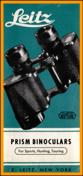
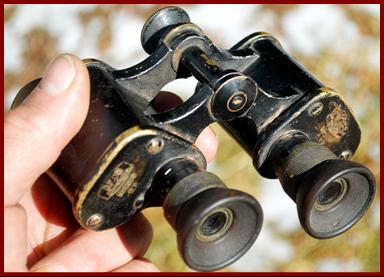
My 1938 E. Leitz Wetlar 8x30 binoculars serial No. 1626 were made by the famous German Optical firm Ernst Leitz, for a Turkish Army contract, and both the binoculars and the case have Turkish national markings. The quantity produced was probably small. |
|
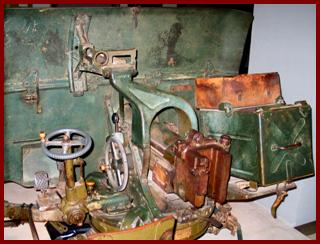
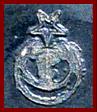
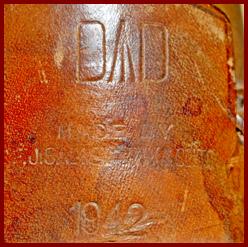
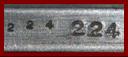
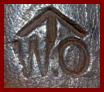
My Telescope Sighting No. 124 L.P. Mk. I serial #224 was made by Australian Optical and J.W. Handley in Australia in 1941 for the Australian 2 pounder artillery cannon, (a UK Australian produced varitionm, and both telescope and 1942 case made by J.S. Salisbury & Sons. carry the D ↑ D Australian Army property mark, and L.P ., marking which stands for L ocal P attern. |

|
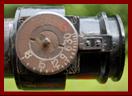
Ocular Filters |
|
NON MINIATURE BINOCULARS AND OPTICS: MOSTLY MILITARY |
|
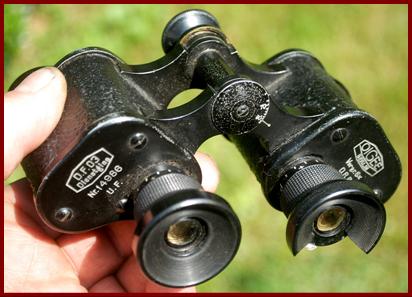
THREE WWI Oigee Berlin DF-03 Dienstglas German Army 6x24 military binoculars |
|
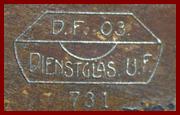
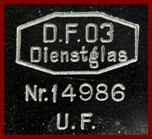
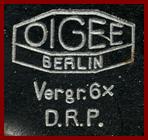
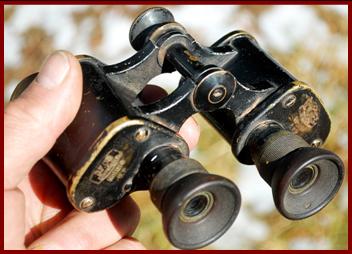
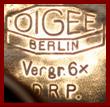
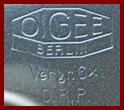
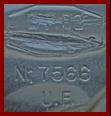
D.F. 03 is Doppel Fernrohr model 1903. Dienstglas is Service Glass. The Nr. Is a property number. UF is Unteroffizier (junior non commissioned officer) Verg.6x is vergr öß erung/ magnification 6x. D.R.P. is Deutsche Reich Patent/ covered by German patent. Oigee DF. 03 binoculars production started around 1908. |

|
My three Oigee D.F. 03 Dienstglas WWI German military binoculars were made by the German optical manufacturer Optische Ansalt Oigee of Berlin. D.F. 03 is ( D oppel F ernrohr model of 1903) |
|
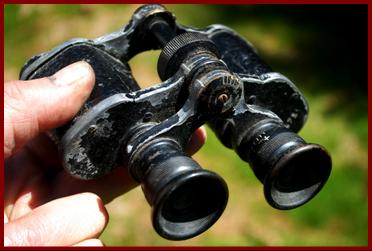
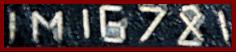
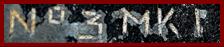
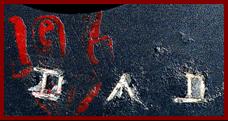
WWII Australian Substiture Standard military property No 3 Mk 1 marked binoculars |
|
My Australian D ↑ D (post WWI) military property marked binoculars appear to be a WWI or WWII reuse of not particularly high quality civilian (French?) center focus binoculars given a No.3 Mk 1 issue equivalency. Australia and the UK and the US pressed donated and other non standard binoculars into service to equip the large numbers of second line observers, wardens, coast watchers, etc. during both WWI and WWII. |
|
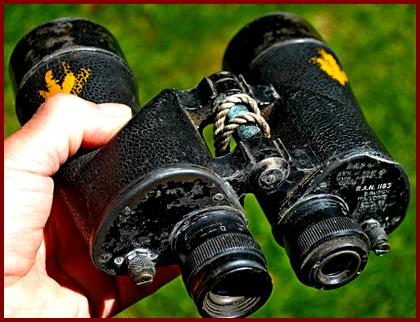
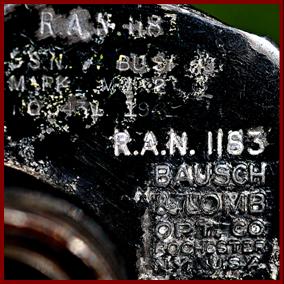
1941 WWII Australian Issue US made Bausch and Lomb 7x50 USN/ US Navy Bureau of Ships Mark I Mod. 2 #3431, then transferred to RAN/ Royal Australian Navy # 1183 property marked binoculars |
|
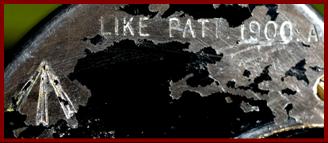
Dessicant ports were probably added in Australia to these binoculars per typical UK Admiralty specification for naval binoculars, to get the “LIKE PATT. 1900 a” status. |
|
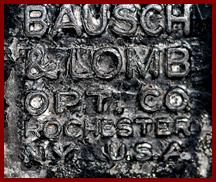
The US supplied binoculars to the UK and to Australia under the March 1941 Lend Lease agreement materials transfers, which were made under US Navy and US Army purchase contracts, and hence the US Navy Bureau of Ships markings and subsequent R.A.N ./ R oyal Australian N avy and broad arrow property marked binoculars. (See my similar lend lease US US Anchor made Australian army binoculars in other Binoculars #10). |

|
Equivalent marking. This means they could be issued in place of Barr & Stroud CF41 Admiralty pattern 1900a binoculars |
|
R.A.N. 1183 U.S. NAVY BU SHIPS MARK 1 MOD 2 NO. 3431 1941 R.A.N. 1183 |
|
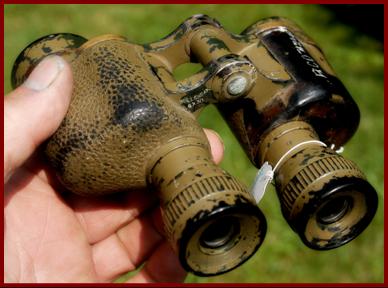
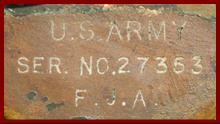
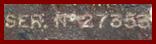
1941 WWII Australian Issue US made Wollensak U.S. Army binoculars serial number 27353, then transferred to Australian Army in 1941 and Australian D ↑ D marked, subsequently repainted and used by Australia forces involved in the Vietnam War (1962-1973). |
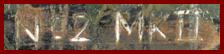
|
No. 2 Mk II equivalency marking |
|
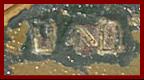
Like my similar Wollensak binoculars above these US Army binoculars serial # 27353 were supplied to Australia in 1941, and carry a F.J.A . ( Lt. Col. F rank J . A twood) inspection mark, and D ↑ D Australian property marking. |
|
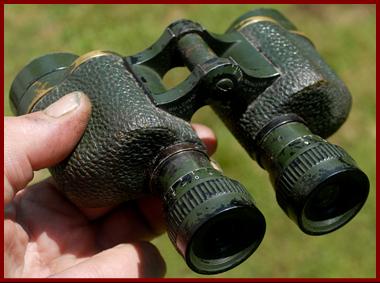
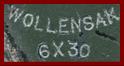
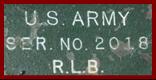
U.S. Army WWII marked Wollensak (M5) 6x30 binoculars issued as Australian Army property marked No2 Mk 11 binoculars and marked R.L.B. serial #2018 |
|
My WWII US Army marked Wollensak 6x30 R.L.B. binoculars also marked as UK/ Commonwealth (type) No2 Mk II and with Australian military Broad Arrow/ D property markings presumably represent a US Army contract diverted to Australia. In May 1941 the US military contracted for 16,000 Wollensak 6x30 binoculars with U.S. property markings. But the March 1941 Lend Lease agreement had authorized transfer of US military equipment to the UK and Commonwealth. So in July 1941 58,000 Wollensak binoculars were then requisitioned for the UK/Commonwealth under Lend Lease. My Wollensak 6x30 U.S. marked and R.L.B. marked serial no. 2018 binoculars were part of those transferred by the U.S. to Australia, and were type re-designated as No 2MKII and Australian D D property marked, and painted dark green for the Jan. 1943 Papua New Guinea campaign. (A quantity of U.S. Army marked and Australian and New Zealand marked Wollensak binoculars in black and green are known and documented, with R.L.B and F.J.A. inspection authorization). The earlier R.L.B. inspection mark is inspection under authority of U.S. Col. R ay L . B owlen. Reference acknowledgement: Robin Leaech: Wollensak History-Binoculars & Optics |



|
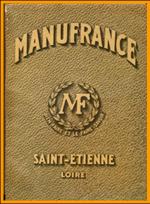
1934 Australian army Ordnance Services standing orders on property marks on Australian military equipment, of Defense department equipment property (D arrow D) and also of property obtained under the High Commissioner’s Office (arrow within D). |

|
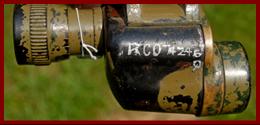
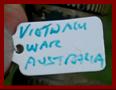
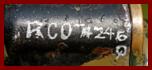
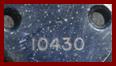
These were obtained in Australia, and claimed to have been used by one of the 60,000 Australian soldiers that served in the Vietnam war 1962-1973. The light green paint and marking R CO 74346Q are consistent with that. |
|
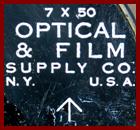
Similar to the way my other US made binoculars above were supplied to Australian forces in WWII, these 7x50 binoculars were made by US binoculars contractor Optical and Film Supply Co (NY,USA), but they presumably date later in the war because they lack the US army or US navy property markings or inspector marks indicating having been made under those contracts, and probably were made and marked going directly from the contractor to Australian forces. These were acquired in Australia and came equipped with a US Navy clip on VD filter system. |
|
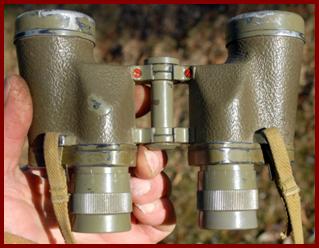
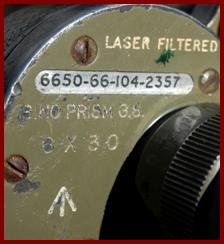
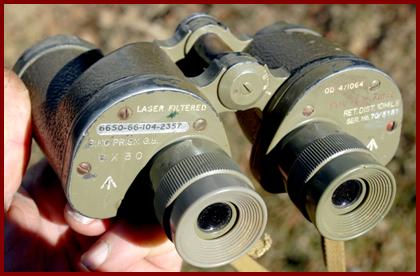
Australian Military Issue Japanese Made Katsuma 6x30 Laser Filtered Binoculars |
|
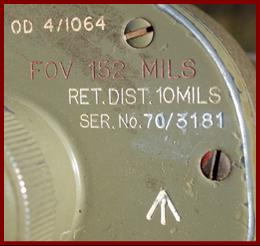
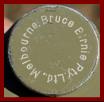
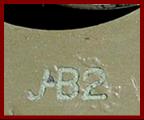
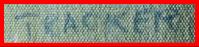
My Australian 6x30 military binoculars carry the broad arrow property mark of the UK and commonwealth, and they are laser filtered. My best guess is that they date from the 1970’s. They were contracted through Bruce Birnie Pty Ltd., of Melbourne Australia. The “JB2” manufacturer mark indicates that the assembling manufacturer of the binoculars was the Japanese firm of Katsuma Kogaku Kikai Co.Ltd. The case is marked to soldier “ TRACKER ”, which may be a name or a nickname. The red painted screws indicate sealed parts not to be unscrewed except by technicians. Marked as e laser filtered o protect eyes from targeting lasers. |




|
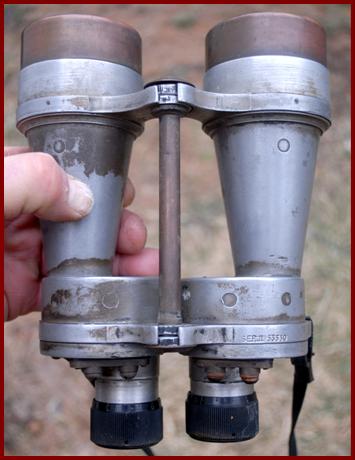
1943 Australian Military Issue British Made NIL Nottingham Industries No 5 Mk IV 7x50 Binoculars |
|
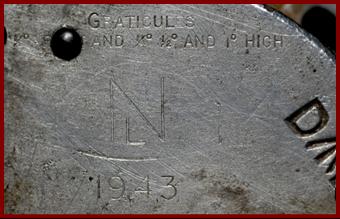
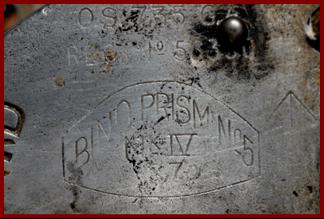
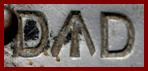
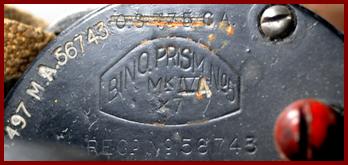
My 1943 dated Australian issued British manufactured No 5 Mk IV binoculars were made by NIL/ Nottingham Industries Limited. NIL appears to have been a UK Ministry of Supply created wartime company (1941-1946) which was set up in what had previously been a cigarette factory, but with optics and binocular manufacturer Ross operating it. The binoculars carry the WWII era Australian military property mark of broad arrow between two letters “ D ”, and also seems to have a standard UK and commonwealth military property broad arrow mark. |

|
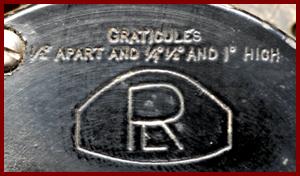
These binoculars have a right eyepiece military horizontal graticule (grid) for range finding. By aligning the grids on something of a generally known length (like a truck) the number of lines give the distance. The desiccant ports on these binoculars appear to have been added after the binoculars were manufactured. This is a modification seen on some No 5 Mk IV binoculars. These desiccant ports allowed flushing a desiccant dried air through the binoculars to prevent “fogging” caused by humidity within the binoculars, when there is a marked interior/ exterior temperature differential. This predated the more modern practice of sealing the binoculars and filling the inside with an inert gas such as nitrogen or argon, to prevent such fogging, and was most typical on naval use binoculars. |
|
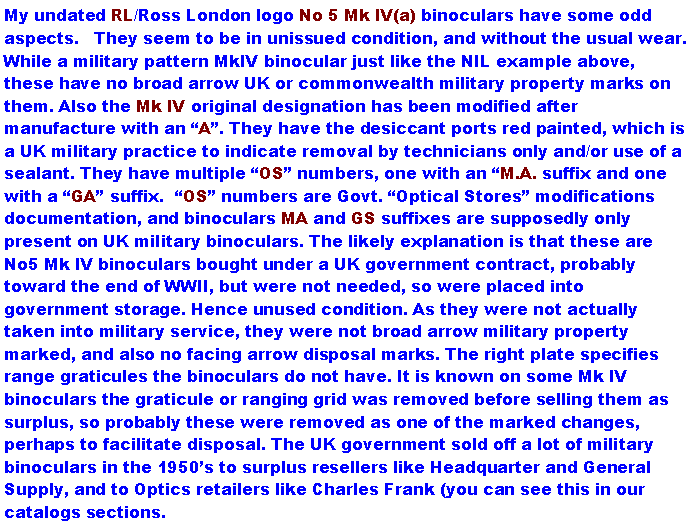
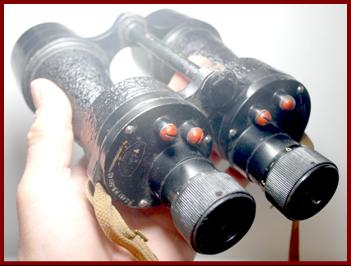
Ross London No 5 Mk IV A 7x50 British Military Binoculars |
|
NEWLY ADDED ITEMS ARE MONTHLY INSERTED THROUGHOUT THE SECTION AND NOT NECESSARILY ON THE LAST PAGE. Redirected search such as google image may display old content or distortion: try a refresh and or go directly to the site : http//www.miniaturebinoculars.com |
|
NEWLY ADDED ITEMS ARE MONTHLY INSERTED THROUGHOUT THESE SECTIONS AND NOT NECESSARILY ON THE LAST PAGE. Redirected search such as google image may display old content or distortion: try a refresh and or go directly to the site : http//www.miniaturebinoculars.com |

![Text Box: CLICK ON PAGE LINE. CLIQUEZ SUR LA LIGNE DE PAGE. KLICKEN SIE AUF SEITENZEILE. HAGA CLIC EN LÍNEA DE PÁGINA..[ページ行]をクリックします。НАЖМИТЕ НА СТРОКУ СТРАНИЦЫ. ALSO SEE INDEX.](image2302.gif)



|
The “ K ” mark on the bridge of above bimoculars is the acceptance mark of Gewehr Prufungskommission Spandau. |
|
TWO WWI Carl Zeiss DF-6x 6x24 military binoculars with cover serial number 358571 and 692092 |
|
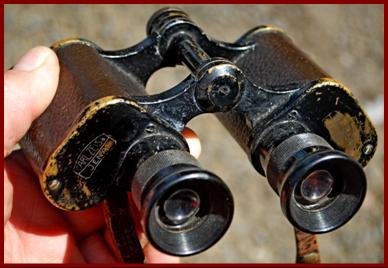
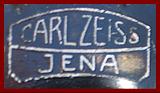
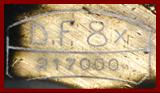
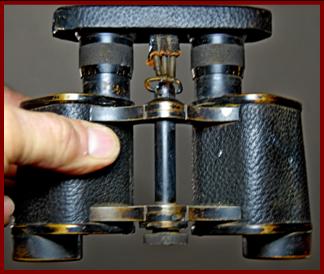
My two Carl Zeiss D.F. 8x binoculars were intended as military models. These two do not carry specific approval markings, so it is uncertain which countries used them. The earlier one with serial # 21700 has double objective rings, so according to binocollection.com they date 1908-1913. |

|
WWI E. Leitz Wetzlar Dienstglas UF D.F. 03 6x24 German Military officers binoculars |
|
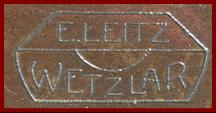
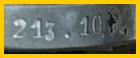
My E. Leitz Wetzlar D.F. 03 binoculars are standard WWI German military officer’s binoculars. and “ D.F. 03 ” is “ D oppel F ernrohrglas 03 ”, or Double Telescope {model 1903}, a military model produced starting around 1908 by many German binocular makers before and during WWI. UF is U ntero f fizier (junior non commissioned officer). This appears to be a low serial number of 731 . I believe the 13. may indicate 1913 production (speculative). |